132 North Park Avenue, Rockville Centre, NY 11570

December 3, 2025
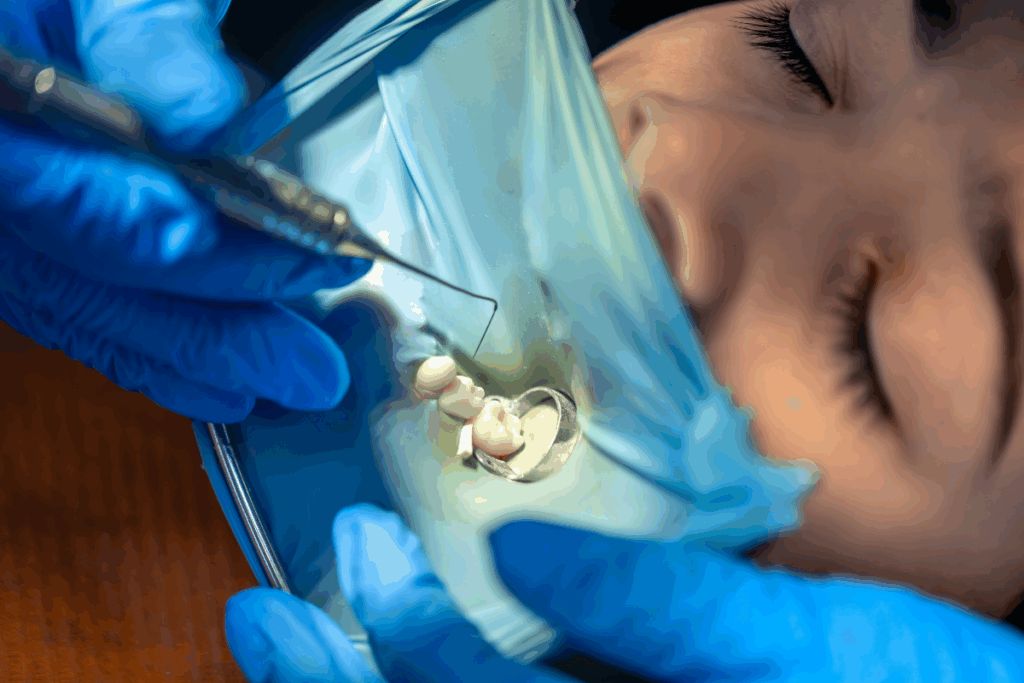
Many people wonder if there’s a perfect time to remove their wisdom teeth. The truth is, while there’s no single age that fits everyone, there is a general window when the procedure is easiest and safest. Understanding when it might be too late to remove wisdom teeth can help you make an informed decision and potentially avoid painful or costly dental issues later in life.
Why Wisdom Teeth Become a Problem
Wisdom teeth, or third molars, typically appear between ages 17 and 25. For some people, these teeth emerge normally and align perfectly with the rest of the mouth. However, for most adults, there isn’t enough room in the jaw to accommodate them. This can lead to impaction, infection, pain, or even damage to nearby teeth.
When wisdom teeth stay trapped beneath the gums, they may cause inflammation, cysts, or pressure against adjacent molars. Over time, these issues can worsen and complicate extraction. That’s why dentists recommend evaluating wisdom teeth during your late teens or early twenties before the roots fully form and the bone around them hardens.
The Ideal Age for Wisdom Tooth Extraction
The ideal age range for removing wisdom teeth is typically between 18 and 25 years old. At this stage, the roots are still developing, making extraction less complex and recovery faster. Younger patients usually experience minimal swelling and fewer post-surgery complications.
If you’re older than 25, don’t worry wisdom teeth can still be removed safely. The main difference is that the procedure may require more precision and healing could take slightly longer. A consultation with a dental professional for wisdom teeth removal in Rockville Centre can determine whether your teeth are causing or may soon cause issues that warrant extraction.
What Happens If You Wait Too Long?
Delaying wisdom tooth removal can lead to a variety of oral health complications. As you age, the roots of the teeth grow deeper and closer to nerves in the jaw, especially the inferior alveolar nerve in the lower jaw. This increases the risk of nerve injury during extraction.
Additionally, waiting can allow infection, gum disease, or bone loss to develop around impacted wisdom teeth. In severe cases, cysts or tumors may form, requiring more extensive surgical treatment. Even if your wisdom teeth aren’t currently painful, hidden damage could be developing beneath the surface something only a dental X-ray can reveal.
Is There Ever a Point When It’s “Too Late”?
Technically, it’s never too late to remove wisdom teeth, but age does play a major role in the complexity and recovery of the procedure. Patients in their 30s, 40s, and beyond can still have successful extractions, but it’s crucial to have the surgery performed by an experienced oral surgeon.
Your dentist will assess several factors, such as your bone density, gum health, and tooth position, to determine if removal is recommended. The key is addressing problems early before they lead to more serious or irreversible dental damage.
What to Expect After Surgery
Recovery time varies depending on age, health, and how many teeth are extracted. Most people can resume normal activities within a few days, though complete healing of the bone may take a few weeks. Following post-operative care instructions including rest, soft foods, and good oral hygiene is essential for a smooth recovery. Avoiding smoking, straws, and vigorous rinsing will also help prevent complications like dry socket.
Schedule Your Consultation Today
If you’ve been postponing your wisdom tooth extraction, there’s no better time to act. Whether you’re 18 or 45, consulting with a skilled dental professional ensures the best outcome for your smile and overall oral health. For trusted and comfortable wisdom teeth removal in Rockville Centre, visit Rockville Centre for Dentistry. Our experienced team provides comprehensive care, from evaluation to recovery guidance. Don’t wait for pain or infection to start request an appointment today and take the first step toward protecting your long-term dental health.
FAQs
What happens if I wait too long to remove my wisdom teeth?
Delaying extraction can lead to infections, gum disease, cysts, jaw stiffness, and damage to surrounding teeth.
How do I know if my wisdom teeth need to be removed?
Common signs include pain, swelling, jaw stiffness, bad breath, gum inflammation, or pressure against nearby teeth. An X-ray is needed for a full evaluation.
Can wisdom teeth be removed even if they aren’t causing pain?
Absolutely. Many wisdom teeth cause hidden damage below the gums, such as bone loss or cyst formation, even without visible symptoms.
Should I see a dentist or oral surgeon for wisdom tooth removal?
A general dentist can perform many extractions, but complex or impacted wisdom teeth are best handled by a trained oral surgeon for optimal safety.