132 North Park Avenue, Rockville Centre, NY 11570

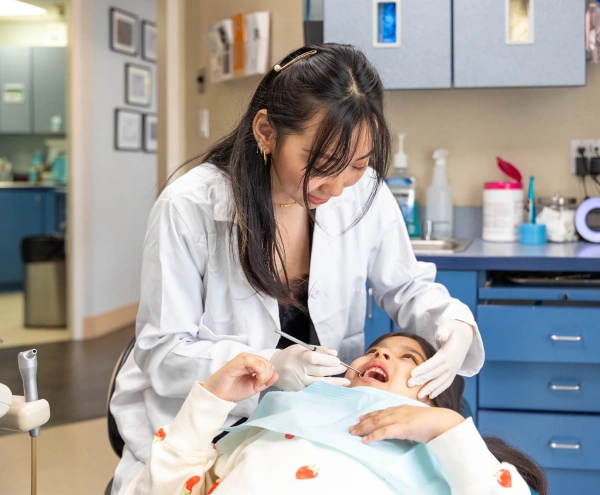
Gentle Dental Care for Your Little Ones
At Rockville Centre for Dentistry, we believe every child deserves a dental experience that feels safe, comfortable, and even enjoyable. Our children's dental services are designed to meet young patients exactly where they are — whether your little one is visiting the dentist for the very first time or has been coming to see us for years. We take a gentle, unhurried approach with every child, because we know that the experiences they have in our chair today shape their relationship with oral health for the rest of their lives.
From a baby's first tooth to a teenager's growing smile, Rockville Centre for Dentistry is here to support your child's oral health every step of the way. Our office is located at 132 North Park Avenue in Rockville Centre, NY, and we proudly serve families throughout Rockville Centre and the surrounding Long Island communities.
When Should My Child First See a Dentist?
The American Academy of Pediatric Dentistry recommends scheduling your child's first dental visit by their first birthday or within six months of their first tooth erupting, whichever comes first. This may seem early, but there's a good reason for it.
Primary teeth, often called baby teeth, play a critical role in your child's development. They hold space in the jaw for permanent teeth, support proper speech development, and allow children to chew comfortably. Problems with baby teeth — including early decay — can affect the health and alignment of the permanent teeth that follow. Getting your child in early means we can monitor their development from the start and apply preventive treatments that protect those important early teeth.
Supporting Your Child's Oral Health at Home
What happens between dental visits matters just as much as what happens in our office. Here are some key habits to establish and maintain at home:
- Begin brushing as soon as your child's first tooth appears, using a soft-bristled brush and a rice-sized smear of fluoride toothpaste for children under three
- Transition to a pea-sized amount of fluoride toothpaste once your child turns three, and help them brush until they have the dexterity to do it effectively on their own — typically around age six or seven
- Begin flossing as soon as two teeth touch, as this is where cavities between teeth begin
- Limit sugary snacks and beverages, including juice, which is a significant contributor to childhood tooth decay
- Avoid putting your baby to bed with a bottle of milk or juice, as prolonged exposure to these liquids can cause early childhood cavities
- Ask us about sealants and fluoride if your child is at higher risk for decay
- Model good oral health habits yourself — children learn by watching the adults around them
What to Expect at Your Child's Visit
We go out of our way to make every child's appointment feel relaxed, friendly, and free of surprises. Here's what a typical visit looks like:
When you arrive, our team will greet you and your child warmly and make sure they feel comfortable in our office from the moment they walk in. For younger children and first-time visitors, we take extra time at the beginning of the appointment to show them around, introduce them to our instruments in a playful way, and let them get familiar with the environment before we begin.
We always speak directly to your child during their visit — not just to you as the parent. Explaining what we're doing in simple, friendly terms helps children feel respected and involved in their own care, which goes a long way toward reducing anxiety and building trust.
Give Your Child a Healthy Start — Schedule Their Visit Today
There's no better time to invest in your child's oral health than right now. Whether you're scheduling a first visit for a new baby, looking for a caring dental home for your growing family, or helping an anxious child find a dentist they actually feel comfortable with, our team at Rockville Centre for Dentistry is here for you.
Contact us today or request an appointment online. We look forward to welcoming your child to our practice.

Frequently Asked Questions
Q. When should my child have their first dental visit?
A. The American Academy of Pediatric Dentistry recommends that children see a dentist by their first birthday or within six months of their first tooth appearing. Early visits allow us to monitor development, apply preventive treatments, and help your child feel comfortable with dental care from a young age.
Q. How do I prepare my child for their first dental appointment?
A. Talk about the visit in a positive, matter-of-fact way in the days leading up to the appointment. Avoid using words like "hurt," "needle," or "drill," and let your child know that the dentist is there to help keep their teeth healthy and strong. Our team will take it slowly and make the experience as comfortable as possible.
Q. How often should my child see the dentist?
A. Most children should visit the dentist every six months for a cleaning and exam. Some children with a higher risk of cavities or active dental concerns may benefit from more frequent visits. We'll recommend a schedule that's right for your child based on their individual needs.
Q. Are dental X-rays safe for children?
A. Yes. We use digital X-rays, which emit significantly less radiation than traditional film X-rays. X-rays are an important diagnostic tool that allow us to detect cavities between teeth, monitor root development, and evaluate jaw growth — all of which are difficult or impossible to assess through a visual exam alone. We take X-rays only as frequently as your child's dental history indicates is necessary.
Q. What are dental sealants, and does my child need them?
A. Dental sealants are thin, protective coatings painted onto the chewing surfaces of the back teeth, where decay is most common in children. They create a barrier that prevents food and bacteria from settling into the deep grooves of the tooth. Sealants are a safe, painless, and highly effective way to reduce cavities in children, and we recommend them for most young patients.
Q. My child is very nervous about the dentist. What can you do to help?
A. Dental anxiety in children is very common, and our team has extensive experience helping nervous patients feel at ease. We use a gentle approach, explain each step in friendly language, allow parents to stay in the room, and go at a pace your child is comfortable with. Please let us know ahead of time if your child tends to feel anxious so we can make extra accommodations from the start.