132 North Park Avenue, Rockville Centre, NY 11570

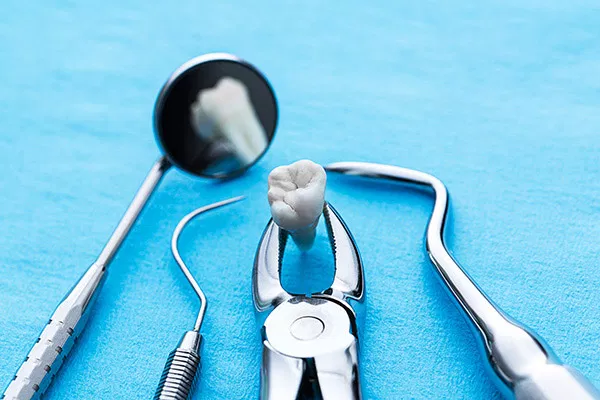
Teeth need to be extracted for many different reasons. Often times extractions can be very simple. We are well versed in all types of extractions and we can remove teeth either with local or intravenous sedation.
When we are placing dental implants, we usually like to do this procedure at the same appointment that we extract the teeth. There are some cases where this may not be possible. Sometimes we need to utilize bone grafting/guided tissue regeneration procedures to preserve the bone and healthy tissue around it in order to place the implants with a greater chance of integration success. Your doctor will let you know if this is necessary for your case.
Please discuss your extraction needs early in your treatment so we can properly guide you and sequence your care.
Quick Links
Frequently Asked Questions
Q. When Is A Tooth Extraction Necessary?
A. A tooth extraction may be necessary if a tooth is severely decayed, infected, broken beyond repair, or causing crowding. Extractions are also commonly performed to prepare for dental implants or other restorative treatments.
Q. Are Tooth Extractions Painful?
A. Most tooth extractions are not painful because they are performed using local anesthesia or intravenous (IV) sedation. Patients typically feel pressure but not pain during the procedure. Your dentist will recommend the most comfortable option for your case.
Q. How Long Does It Take To Recover From A Tooth Extraction?
A. Recovery time varies depending on the complexity of the extraction. Simple extractions typically heal within a few days to a week, while more complex cases may take longer. Your dentist will provide specific aftercare instructions.
Q. Is Every Tooth Extraction Considered A Simple Procedure?
A. Not all extractions are the same. Some are simple and straightforward, while others may require additional procedures such as bone grafting or sedation. Your dentist will evaluate your condition and recommend the appropriate approach.
Q. Why Is It Important To Discuss Extraction Needs Early In Treatment?
A. Discussing extraction needs early allows your dentist to properly plan and sequence your care. This ensures the best possible outcomes, especially if dental implants or bone preservation procedures are involved.
Q. What Happens If I Delay A Recommended Tooth Extraction?
A. Delaying extraction can lead to infection spread, increased pain, bone loss, and complications that may affect future restorative options like implants.