132 North Park Avenue, Rockville Centre, NY 11570

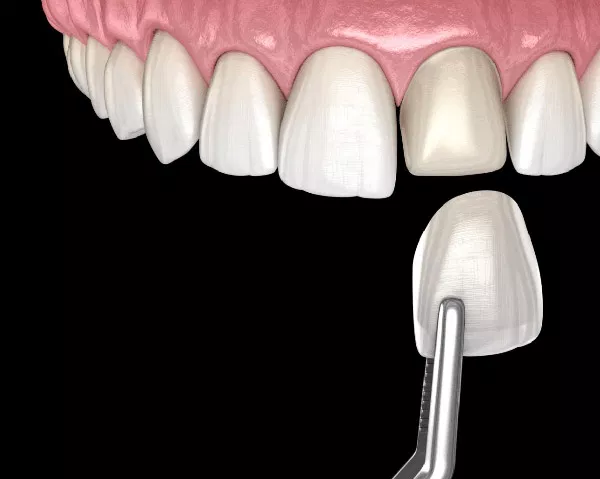
A porcelain veneer or laminate is a thin shell/facing that fits over a natural tooth structure. These restorations are a possible solution to help a patient achieve the look they desire. This shell acts as a cosmetic fix for damaged, discolored, misshapen, or misaligned teeth, improving their appearance and potentially their function.
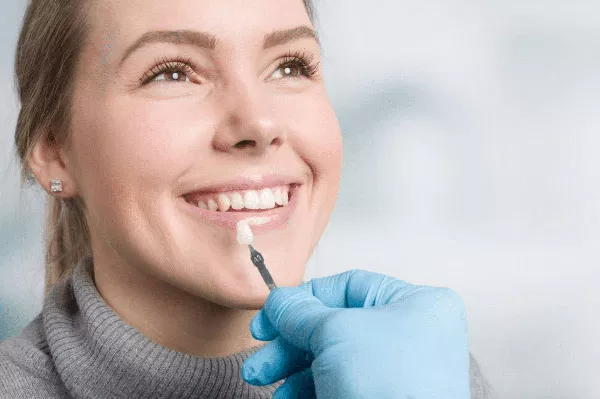
During your examination with one of the general dentists at our practice, you will become an active participant in the smile design process. By sharing your preferences with the doctor for the shape, length, width, color of the veneer(s), and the change in the appearance of your smile that you want them to create, you help ensure that your treatment will meet your expectations. It is important that your dentist understands your objectives during your veneer consultation.
Because veneers are thin, they are not always a good choice for people who grind or clench their teeth, but depending on severity of the condition, an oral appliance called a night guard can be fabricated for an additional fee to help protect the restorations in your mouth from wear. We advise patients to be aware of chewing on fingernails, pens/pencils, and ice. Aftercare is extremely important.
It is possible, just like crowns or bridges, for veneers to come loose over time. Often times, a simple recementing can be done in the office. Other times, a new veneer may need to be made.
Before getting veneers or laminates, the natural teeth must be free of any decay and the gums must be healthy. These conditions can be treated before proceeding. It is important to keep your teeth and gums clean by brushing and flossing daily and keeping up with your routine preventative care at the dentists office.
Frequently Asked Questions
Q. What Are Dental Veneers?
A. Dental veneers are thin porcelain shells that are bonded to the front surface of natural teeth to improve their appearance. They are commonly used to fix discoloration, chips, gaps, misshapen teeth, or mild misalignment.
Q. Who Is A Good Candidate For Dental Veneers?
A. Good candidates are individuals with healthy teeth and gums who want to improve cosmetic concerns such as stains, uneven spacing, or worn enamel. Teeth must be free of decay before veneer placement.
Q. Do Veneers Look Natural?
A. Yes. Veneers are custom-designed based on your preferred shape, size, length, and color to blend naturally with your smile and facial features.
Q. Is The Veneer Procedure Painful?
A. The veneer procedure is generally comfortable. Minimal tooth preparation may be required, and local anesthesia is used when necessary to ensure a pain-free experience.
Q. Can I Choose How My Veneers Look?
A. Absolutely. During your smile design consultation, you can discuss your desired tooth shape, width, length, and shade to ensure the final result matches your expectations.
Q. Are Veneers Permanent?
A. Veneers are considered a long-term cosmetic solution because a small amount of enamel is usually removed to place them. While they may need replacement over time, the procedure itself is not reversible.
Q. What Happens If A Veneer Comes Loose?
A. If a veneer becomes loose, it can often be re-cemented during a simple office visit. In some cases, a new veneer may need to be fabricated.
Q. Are Veneers Better Than Crowns?
A. Veneers are typically used for cosmetic improvements and require less tooth reduction than crowns. Crowns are often recommended when there is significant structural damage.
Q. Can Veneers Improve The Function Of My Teeth?
A. While veneers are primarily cosmetic, they may also slightly improve function by restoring minor wear or correcting small alignment issues.
Q. What Should I Do Before Getting Veneers?
A. Before receiving veneers, any tooth decay must be treated and gum health must be stable. A comprehensive dental exam will determine if you are ready for the procedure.