132 North Park Avenue, Rockville Centre, NY 11570

May 6, 2026
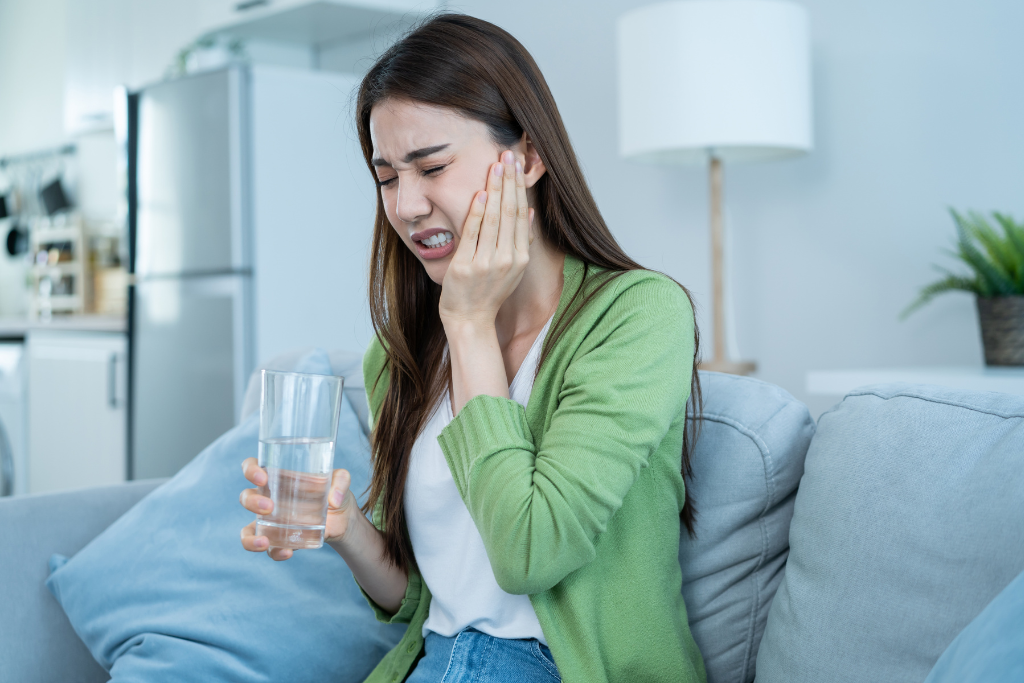
That sharp jolt when you sip iced water or enjoy a cold dessert can stop you in your tracks. Tooth sensitivity to cold is one of the most common complaints patients bring to a dentist in Rockville Centre, and for good reason it can signal anything from a minor issue to a problem that needs prompt care.
Understanding whether that discomfort is coming from a cavity or gum recession is the first step toward relief. If you’ve noticed sensitivity that lingers or worsens over time, it’s worth paying attention. A trusted dentist can help pinpoint the cause and guide you toward the right treatment.
Why Do Teeth Hurt When Exposed to Cold?
Inside every tooth is a soft layer called dentin, which contains microscopic tubules connected to nerves. When enamel wears down or gums recede, these tubules become exposed. Cold temperatures stimulate the nerves, leading to that familiar sharp pain.
In coastal communities like Rockville Centre, where iced beverages, frozen treats, and seasonal weather shifts are part of daily life, tooth sensitivity tends to be more noticeable. But the underlying cause is what really matters.
Cavity or Gum Recession: How to Tell the Difference
Both cavities and gum recession can cause sensitivity, but they present differently.
1. Tooth Decay (Cavity)
A cavity forms when bacteria erode the enamel, creating a small hole in the tooth. Sensitivity from a cavity often feels:
- Sharp and localized to one tooth
- Triggered by cold, sweets, or biting pressure
You might also notice discoloration or a rough spot on the tooth. Left untreated, cavities can worsen and lead to deeper infections.
2. Gum Recession
Gum recession happens when the gum tissue pulls back, exposing the root of the tooth. Unlike enamel, the root doesn’t have the same protective layer, making it more sensitive.
Sensitivity from gum recession is usually:
- More widespread across multiple teeth
- Felt along the gumline rather than the biting surface
This condition is common among adults in Rockville Centre, especially those with a history of aggressive brushing or gum disease.
What Causes These Issues?
Several everyday habits and conditions can lead to sensitivity:
- Poor oral hygiene leading to plaque buildup and decay
- Brushing too hard or using a hard-bristled toothbrush
- Gum disease, which is common but often overlooked
- Teeth grinding, especially during stressful periods
- Acidic diets, including citrus and carbonated drinks
Living in a busy suburban area like Rockville Centre, where routines can get hectic, it’s easy for small dental habits to slip. Over time, those habits can contribute to both cavities and gum recession.
When Should You See a Dentist?
If sensitivity lasts more than a few days or starts interfering with your daily routine, it’s time to visit a dentist in Rockville Centre. Early diagnosis makes treatment simpler and more effective.
Ignoring the problem can lead to:
- Deeper decay requiring more extensive procedures
- Increased gum recession and potential tooth instability
- Persistent discomfort that affects eating and drinking
Treatment Options That Actually Work
The right treatment depends on the cause of your sensitivity.
For Cavities:
A small cavity can usually be treated with a simple filling. This restores the tooth structure and eliminates the exposed area causing pain.
For Gum Recession:
Treatment may include desensitizing agents, fluoride applications, or in advanced cases, gum grafting to protect the root.
In both cases, professional care ensures that the issue is addressed at its source—not just masked temporarily.
Simple Ways to Reduce Sensitivity at Home
While professional care is essential, a few adjustments can help manage discomfort:
- Switch to a toothpaste designed for sensitive teeth
- Use a soft-bristled toothbrush and gentle technique
These small changes can make a noticeable difference, especially when combined with regular dental visits.
Local Insight: Why Rockville Centre Residents Experience Sensitivity
Rockville Centre’s mix of seasonal weather and lifestyle habits plays a role in dental sensitivity. Cold winters can heighten nerve responses, while summer brings more ice-cold beverages and acidic foods. Add in busy schedules, and it’s easy for preventive care to take a back seat.
That’s why regular checkups with a dentist in Rockville Centre are so important they help catch issues early before they turn into bigger concerns.
Don’t Ignore the Warning Signs
Tooth sensitivity to cold isn’t just an inconvenience it’s your body’s way of signaling that something needs attention. Whether it’s a small cavity or early-stage gum recession, addressing it promptly can save you time, discomfort, and more extensive treatment down the road.
If you’re dealing with sensitivity, now is the time to take action. Schedule a visit with Rockville Centre for Dentistry and get a personalized evaluation that puts your comfort first. Your path to a healthier, pain-free bite starts with book online today.
FAQs
Is Tooth Sensitivity Always A Sign Of A Cavity?
No. While cavities are a common cause, gum recession and enamel wear can also lead to sensitivity.
Can Sensitive Teeth Heal On Their Own?
Mild sensitivity may improve with proper care, but underlying issues like decay or recession require treatment.
How Long Should Sensitivity Last After Eating Something Cold?
It should fade quickly. Lingering pain may indicate a deeper problem.
Are Sensitive Toothpastes Effective?
Yes, they can help block nerve signals, but they don’t treat the root cause.
Can Gum Recession Be Reversed?
It can’t fully reverse naturally, but treatments can protect and restore the affected area.