132 North Park Avenue, Rockville Centre, NY 11570

February 5, 2026
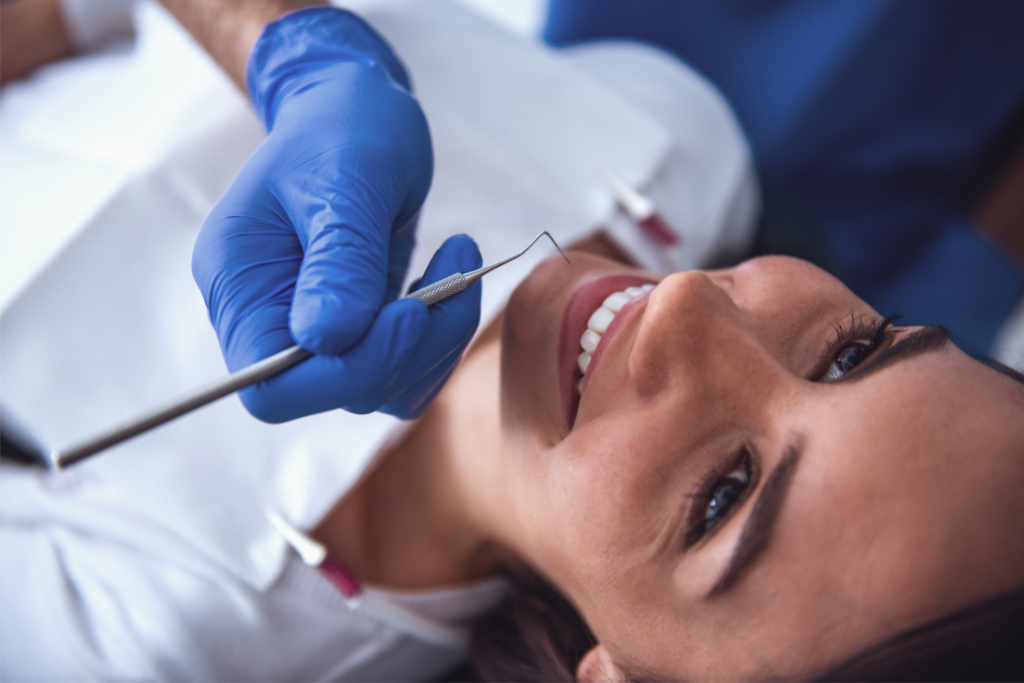
Most dental problems don’t appear overnight. Cavities, gum disease, and even tooth fractures usually start small enough that you might not notice anything wrong. That’s why routine dental visits matter so much. They’re not just about cleanings; they’re about catching early warning signs before they turn into painful, expensive issues.
During a checkup, your dentist is trained to notice subtle changes that can easily go unnoticed at home. From tiny enamel changes to early gum inflammation, these small clues tell a much bigger story about your oral health. Especially for families and professionals in Rockville Centre who juggle busy schedules, early detection can mean fewer emergencies and simpler treatments down the road.
So what exactly is your dentist looking for during those routine visits? Let’s break it down in a practical, easy-to-understand way.
Early Tooth Decay You Can’t See
Not all cavities are obvious. In fact, many begin between teeth or beneath old fillings where a toothbrush can’t reach.
Your dentist in Rockville Centre checks for:
- Soft spots in enamel
- Discoloration that signals mineral loss
- Areas where bacteria tend to hide, especially between molars
With digital X-rays and careful visual exams, decay can often be treated before it requires a crown or root canal.
Gum Changes That Signal Bigger Problems
Healthy gums should be firm, pale pink, and not bleed when you brush or floss. If they’re swollen or sensitive, it may be an early sign of gum disease.
During an exam, your dentist looks for:
- Bleeding or inflammation
- Gum recession around teeth
- Shallow pockets that could deepen over time
In communities like Rockville Centre—where many residents commute, drink coffee regularly, or manage stress, early gum issues are common but very treatable when caught early.
Bite Alignment and Jaw Stress
Your bite plays a bigger role in your dental health than you might think. Uneven pressure can cause cracked teeth, jaw pain, or chronic headaches.
Your dentist evaluates:
- How your teeth come together when you bite
- Signs of grinding or clenching (often stress-related)
- Wear patterns that suggest imbalance
If you’ve ever woken up with jaw soreness after a long workday or commute, this check is especially important.
Small Cracks and Weak Spots
Teeth don’t have to break in half to be a problem. Hairline cracks and weakened enamel can worsen silently over time.
A dentist in Rockville Centre carefully inspects:
- Old fillings that may be failing
- Cracks from biting hard foods or ice
- Teeth weakened by past dental work
Catching these early often means simple reinforcement instead of major repair.
Oral Health Clues Beyond Your Teeth
Your mouth can reveal signs of overall health issues. Dentists are trained to notice changes that may need medical follow-up.
These include:
- Dry mouth linked to medications
- Sores or tissue changes that don’t heal
- Signs of infection or inflammation
Routine dental visits can sometimes flag concerns before you’d ever think to mention them to a doctor.
Pointers to Protect Your Smile Between Visits
Want to stay ahead of dental problems? These habits make a real difference:
- Brush twice daily with fluoride toothpaste
- Floss once a day (yes, even when you’re tired)
- Limit sugary snacks and acidic drinks
- Replace your toothbrush every 3–4 months
- Don’t skip regular dental checkups
Consistency is key especially for families with kids or adults balancing work and home life.
Stay Ahead of Dental Problems – Starting Today
Dental issues don’t have to catch you off guard. With regular checkups and a proactive approach, most problems can be stopped before they affect your comfort, confidence, or schedule. If you’re looking for a trusted dentist in Rockville Centre who focuses on prevention, comfort, and long-term care, the team at Rockville Centre for Dentistry is here to help.
Your smile deserves attention before problems get worse, schedule your appointment today and take the first step toward lasting oral health.
FAQs
How Often Should I Visit The Dentist If I’m Not In Pain?
Most people benefit from visits every six months. Pain usually means a problem has already progressed.
Can Dental Issues Really Be Present Without Symptoms?
Yes. Many cavities and gum problems don’t hurt until they’re advanced.
Are Digital X-Rays Safe?
Modern dental X-rays use very low radiation and are considered safe for routine use.
Why Does My Dentist Check My Jaw And Bite?
Because bite issues can lead to tooth damage, headaches, and jaw disorders if left untreated.
Is Early Treatment Really More Affordable?
Almost always. Preventive care and minor treatments cost far less than advanced procedures.