132 North Park Avenue, Rockville Centre, NY 11570

October 22, 2024
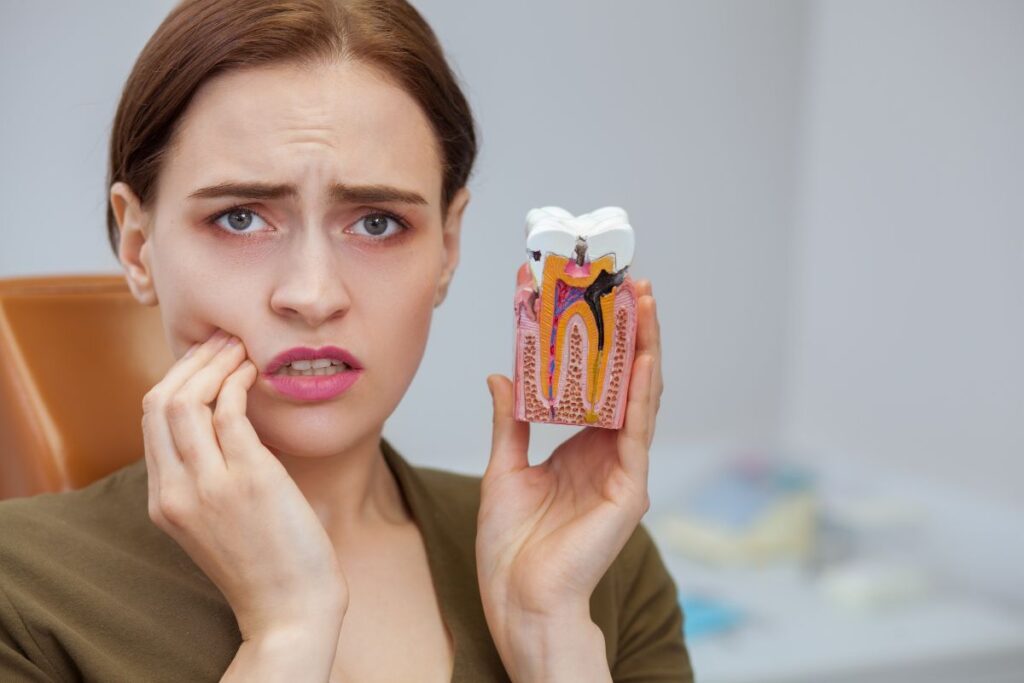
Dental emergencies can happen unexpectedly, causing pain and distress. Being prepared can make a significant difference. Here’s how you can prepare for a dental emergency and what to do when one occurs.
Know What Constitutes a Dental Emergency
First, understand what qualifies as a dental emergency. Common emergencies include:
- Severe toothaches
- Broken or chipped teeth
- Knocked-out teeth
- Abscesses or infections
- Injuries to the jaw or gums
Recognizing these situations helps you act swiftly and seek emergency dental care in Rockville Centre.
Create a Dental Emergency Kit
A dental emergency kit can be a lifesaver. Here’s what to include:
- Pain relievers: Over-the-counter pain medication can help reduce discomfort until you see a dentist.
- Cold pack: Use this to minimize swelling from injuries.
- Dental wax: This can protect the gums from sharp edges of broken teeth.
- Temporary filling material: If you lose a filling, this can provide short-term relief.
- Contact information: Keep your dentist’s phone number and after-hours contacts handy.
Having these items on hand can make a stressful situation easier to manage.
Maintain Regular Dental Checkups
Preventive care is crucial in avoiding dental emergencies. Regular checkups help catch potential problems early. Your dentist can identify issues like cavities, gum disease, or weak teeth. These preventive measures can reduce the likelihood of experiencing an emergency.
Know How to Handle Common Dental Emergencies
If a dental emergency occurs, knowing what to do is essential. Here are some tips for handling common situations:
Toothache
For severe tooth pain, rinse your mouth with warm salt water. Avoid placing aspirin directly on the gums. Instead, take over-the-counter pain relievers to alleviate discomfort. Schedule an appointment with your dentist as soon as possible.
Knocked-Out Tooth
If a tooth gets knocked out, act quickly. Rinse the tooth gently with water, avoiding the roots. Place the tooth back in its socket if possible. If that’s not feasible, store it in a cup of milk or saline. Seek emergency dental care in Rockville Centre within an hour for the best chance of saving the tooth.
Broken Tooth
For a chipped or broken tooth, rinse your mouth with warm water. Apply a cold pack to reduce swelling. Avoid eating hard foods until you see your dentist. They can assess the damage and recommend treatment.
Abscess
An abscess can cause severe pain and swelling. Rinse your mouth with warm salt water and take pain relievers. It’s crucial to see a dentist immediately, as abscesses can lead to serious complications if left untreated.
Communicate with Your Dentist
Have an open line of communication with your dentist. Discuss your concerns and any previous dental issues. They can provide personalized advice on how to manage dental emergencies effectively. Make sure you have a plan for after-hours care if needed.
Keep Your Dentist’s Contact Information Handy
Store your dentist’s contact information in your phone and on your fridge. In an emergency, you won’t want to scramble for this information. Having it readily available ensures you can seek help quickly.
Conclusion
Preparing for a dental emergency can significantly reduce stress and discomfort. Know what constitutes an emergency, create a dental kit, and maintain regular checkups. Familiarize yourself with how to handle common situations and communicate effectively with your dentist.
By taking these steps, you’ll be ready for anything life throws at you. Remember, timely action can make all the difference in emergency dental care in Rockville Centre. So, stay prepared and keep smiling!