132 North Park Avenue, Rockville Centre, NY 11570

April 1, 2026
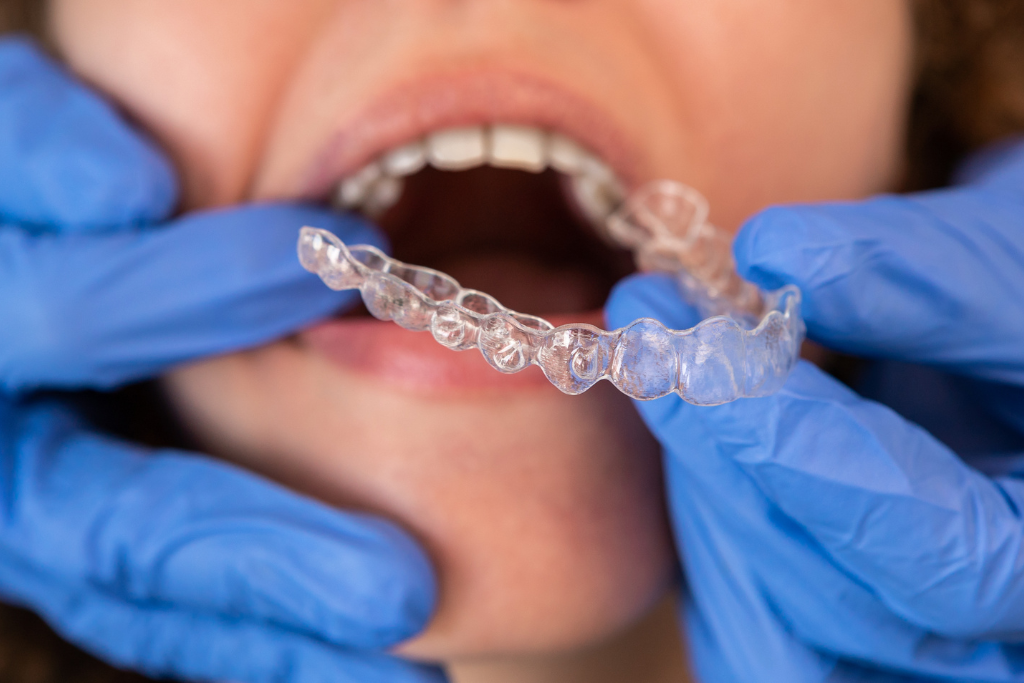
If you’re thinking about straightening your teeth with clear aligners, one question probably comes up right away: “Is it going to hurt?” It’s a fair concern. After all, any treatment that shifts teeth might sound uncomfortable.
The truth is much more reassuring than most people expect. Invisalign is designed to be a gentle, gradual, and comfortable alternative to traditional braces. While you may feel some pressure at times, it’s usually mild and temporary, and many patients say it’s far easier than they imagined.
For patients exploring Invisalign in Rockville Centre, understanding what that “pressure” really feels like can make the entire experience much less intimidating.
What Does Invisalign Pain Actually Feel Like?
Let’s clear this up first: Invisalign doesn’t cause sharp or constant pain. What most people experience is:
- A feeling of tightness or pressure
- Mild soreness for a day or two
- Slight sensitivity when biting or chewing
This usually happens when you switch to a new set of aligners, which are designed to gradually move your teeth into a better position.
Think of it like starting a new workout. Your muscles feel sore because they’re adapting—your teeth are doing something similar.
When Are You Most Likely to Feel Discomfort?
Not all days feel the same during treatment. Here’s when you might notice it most:
1. When You Start Treatment
The first few days are when your mouth is adjusting to wearing aligners. You may feel:
- Pressure on multiple teeth
- Awareness of something “new” in your mouth
2. When You Switch Aligners
Every 1–2 weeks, you’ll move to a new set. This is when:
- Mild soreness returns briefly
- Teeth feel slightly sensitive
3. If You Skip Wear Time
Aligners should be worn 20–22 hours a day. If you leave them out too long:
- Reinserting them may feel tighter
- Discomfort can increase slightly
Patients choosing Invisalign in Rockville Centre often find that staying consistent with wear time significantly reduces discomfort.
Why Invisalign Is More Comfortable Than Braces
One of the biggest advantages of Invisalign is its comfort-focused design. Here’s why it stands out:
- No metal wires or brackets to irritate your cheeks
- Smooth plastic aligners that fit snugly
- Custom-made trays for precise tooth movement
- Gradual adjustments instead of sudden tightening
Unlike traditional braces, you won’t deal with emergency visits for broken wires or painful pokes.
Simple Tips to Reduce Invisalign Discomfort
Even though the discomfort is mild, a few easy tricks can make your experience even smoother:
✔️ Switch Aligners at Night
Put in your new trays before bed so you sleep through the initial adjustment period.
✔️ Use Cold Water
Drinking cold water can help soothe soreness and reduce inflammation.
✔️ Stick to Soft Foods (Temporarily)
For the first day or two, choose:
- Yogurt
- Smoothies
- Rice or pasta
✔️ Keep Wearing Your Aligners
It might feel tempting to remove them, but consistent wear actually helps your teeth adjust faster.
✔️ Over-the-Counter Relief
If needed, a mild pain reliever can help—but most patients rarely need it.
Does Everyone Experience Pain?
Not at all. Pain levels vary depending on:
- Your individual sensitivity
- The complexity of your case
- How consistently you wear your aligners
Some patients report almost no discomfort, while others feel mild pressure for a short time.
If you’re considering Invisalign in Rockville Centre, your dentist will create a customized plan designed to keep movement as gentle and efficient as possible.
Eating and Daily Comfort: What to Expect
One of the most appreciated benefits of Invisalign is how it fits into everyday life.
Eating
- Remove aligners before meals
- No food restrictions like braces
- Enjoy local favorites—from deli sandwiches to weekend brunch—without worry
Speaking
- A slight lisp may occur at first
- Usually disappears within a few days
Social Life
- Aligners are nearly invisible
- Perfect for work meetings, social gatherings, and events
For busy lifestyles—especially in a vibrant community like Rockville Centre—this flexibility makes a big difference.
Why Local Patients Prefer Invisalign
People in Rockville Centre often choose Invisalign because it blends seamlessly into their routine. Whether you’re commuting, working, or enjoying time around town, aligners offer:
- Convenience with fewer dental visits
- A discreet appearance for professional settings
- Easy maintenance for on-the-go lifestyles
This makes it an excellent option for both adults and teens who want results without disruption.
When to Talk to Your Dentist
While discomfort is usually mild, you should reach out if you notice:
- Persistent or severe pain
- Sharp edges causing irritation
- Aligners not fitting properly
A quick adjustment can make all the difference in keeping your treatment comfortable and on track.
Final Thoughts: Comfort You Can Count On
So, does Invisalign hurt? The honest answer is: not really—at least not in the way most people fear. What you’ll feel is mild, temporary pressure that signals your treatment is working.
For most patients, the comfort, convenience, and subtle appearance far outweigh those brief moments of adjustment.
If you’ve been thinking about improving your smile without the hassle of traditional braces, Invisalign could be the right choice for you.
Ready to Take the Next Step?
At Rockville Centre for Dentistry, we focus on creating a comfortable, personalized Invisalign experience tailored to your needs. From your first consultation to your final results, our team ensures every step feels smooth and stress-free.
Book your consultation today and discover how easy it can be to achieve a straighter, more confident smile.
FAQs
Is Invisalign More Painful Than Braces?
No. Most patients find Invisalign significantly more comfortable due to its smooth design and gradual adjustments.
How Long Does The Discomfort Last?
Typically 1–3 days after starting a new aligner tray.
Can I Take My Aligners Out If They Hurt?
You can, but it’s better to keep them in. Removing them too often can delay progress and increase discomfort later.
Will My Teeth Feel Loose?
Slight looseness is normal—it means your teeth are moving as planned.
Do Attachments Make Invisalign More Painful?
Attachments may cause slight pressure initially, but they don’t significantly increase discomfort.
Is Invisalign Suitable For Sensitive Teeth?
Yes and in many cases, it’s a gentler option compared to braces.