132 North Park Avenue, Rockville Centre, NY 11570

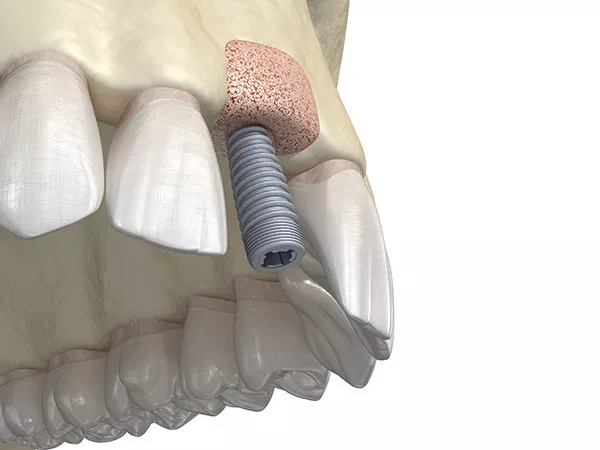
When a tooth is extracted, the bone where the tooth once was will resorb over a period of time. This may leave a situation where the bone is too narrow or insufficient to accept a dental implant.
Bone grafting procedures will allow for adequate bone height and width to accept dental implants. Using bone grafting procedures, we can actually stimulate bone growth in areas where bone is insufficient.
Bone grafting is a very simple procedure usually done at the time of tooth extraction. We use bone from a donor or we use animal bone. The procedure itself is very simple and only takes a few seconds when the tooth is removed.
Frequently Asked Questions
Q. What is bone grafting in dentistry?
A. Bone grafting is a dental procedure that replaces or rebuilds missing bone in the jaw after a tooth extraction. It helps create enough bone height and width to support a future dental implant.
Q. Why is bone grafting needed after tooth extraction?
A. After a tooth is removed, the jawbone naturally shrinks (resorbs) over time. Bone grafting prevents bone loss and prepares the area for dental implants.
Q. How soon after tooth extraction should bone grafting be done?
A. Bone grafting is often performed immediately at the time of tooth extraction to prevent bone loss and reduce the need for additional procedures later.
Q. Does bone grafting help with dental implants?
A. Yes, bone grafting creates a strong and stable foundation for dental implants by increasing bone volume and density.
Q. How long does a dental bone graft take?
A. The bone grafting procedure itself usually takes only a few minutes when performed during tooth extraction.
Q. Is dental bone grafting safe?
A. Yes, dental bone grafting is a safe and commonly performed procedure. The materials used are processed and sterilized for safety and compatibility.
Q. How do I know if I need a bone graft?
A. A dental examination and imaging will determine if there is enough bone to support an implant or if bone grafting is recommended.