132 North Park Avenue, Rockville Centre, NY 11570

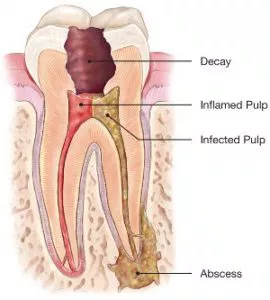
Your teeth are meant to last a lifetime. Years ago, diseased or injured teeth were usually pulled. But today, a tooth can often be saved through root canal therapy. Endodontics is the branch of dentistry that specializes in treating diseases or injuries to the dental pulp.
General dentists have been trained to perform root canal therapy. In some cases, a tooth may require a patient to see a root canal specialist known as an endodontist. This can sometimes be necessary when dealing with a molar tooth or a tooth that needs re-treatment of a previously completed root canal. However, many root canal procedures can be completed at our facility.
For the root canal procedure itself, it is most often completed in two visits about one week apart. The pulp, is soft tissue inside the tooth that contains all of the blood vessels and nerves. When the pulp becomes infected or inflamed, root canal therapy is needed. This can happen in cases of a cracked or chipped tooth, a deep cavity or filling, or other serious injury to the tooth. Any of these situations can allow bacteria to cause infection or inflammation. In turn, this inflammation is likely to cause pain and swelling. If a tooth is extracted instead of being treated with root canal therapy and is not replaced, the teeth around it may begin to shift. Additionally, malocclusion will make it harder to bite, chew, and to properly clean your teeth.
People often wonder what the steps are of root canal therapy.
Firstly, the dentist will make the area numb using a local anesthetic for your comfort. A thin, non-latex material called a rubber dam will be placed over your tooth to keep everything dry. An opening is made through the top of the tooth so the dentist can have access to the pulp chamber. Using a variety of files, your tooth nerve (or pulp) is removed. Sometimes, the dentist will place medicine inside the pump chamber to help treat any present infection. Then, the canals of the tooth are filled with a rubber-like material called gutta percha to seal them. A temporary filling is placed on the tooth and then once the dentist is sure that the root canal is successful, they will remove the temporary filling and restore the tooth with either a permanent crown or filling.
Frequently Asked Questions
Q. What Is A Root Canal And Why Is It Needed?
A. A root canal is a dental procedure that removes infected or inflamed pulp from inside a tooth. It is needed when bacteria enter the pulp due to deep decay, cracks, chips, or injury, causing pain, swelling, or infection.
Q. What Causes The Dental Pulp To Become Infected?
A. The pulp can become infected due to deep cavities, cracked or chipped teeth, repeated dental procedures on the same tooth, or traumatic injury that allows bacteria to enter.
Q. Is A Root Canal Painful?
A. Root canal therapy is typically not painful because a local anesthetic is used to numb the area. Most patients report that the procedure feels similar to getting a standard filling.
Q. How Many Visits Are Required For A Root Canal?
A. Most root canal procedures are completed in two visits about one week apart. The first visit removes the infected pulp, and the second visit restores the tooth with a permanent filling or crown.
Q. What Happens During A Root Canal Procedure?
A. During the procedure, the dentist numbs the area, places a rubber dam to keep the tooth dry, removes the infected pulp using specialized tools, disinfects the canal, fills it with gutta percha, and places a temporary filling until final restoration.
Q. Can A General Dentist Perform A Root Canal?
A. Yes, general dentists are trained to perform root canal therapy. However, complex cases, such as molars or re-treatment procedures, may require referral to an endodontist.
Q. What Is The Difference Between A General Dentist And An Endodontist?
A. An endodontist is a dental specialist who focuses specifically on diagnosing and treating problems related to the dental pulp and root canals. General dentists can perform many root canals but may refer to complicated cases.
Q. What Happens If I Don’t Get A Root Canal?
A. If an infected tooth is not treated, the infection can worsen, leading to increased pain, swelling, abscess formation, or tooth loss. Extracting the tooth without replacement can cause nearby teeth to shift and create bite problems.
Q. Will I Need A Crown After A Root Canal?
A. In many cases, especially for molars, a permanent crown is recommended after root canal therapy to restore strength and protect the treated tooth from fracture.
Q. How Do I Know If I Need A Root Canal Or Just A Filling?
A. If decay reaches the pulp and causes infection or inflammation, a root canal is necessary. If the cavity is minor and has not affected the pulp, a simple filling may be sufficient.
Q. How Long Does A Tooth Last After A Root Canal?
A. With proper care, a tooth treated with root canal therapy can last many years or even a lifetime. Maintaining good oral hygiene and regular dental checkups helps ensure long-term success.