132 North Park Avenue, Rockville Centre, NY 11570

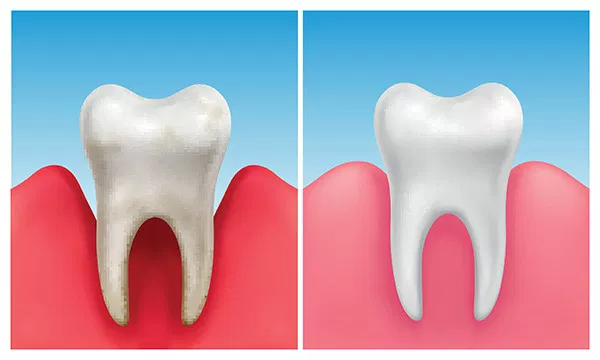
Periodontal disease is caused by bacteria which infect the periodontal lining of the gum. If not removed, this bacterial growth can spread and can begin to destroy the bone that supports the teeth. As bone is destroyed by the bacteria that is found on plaque and calculus, pockets form between the teeth and gums. As these pockets become deeper, it is almost impossible to clean the bottom of the pockets using toothbrushing and flossing techniques. If the pockets are not adequately cleaned, they will continue to deepen and more bone will be destroyed. This destructive cycle will continue and will eventually lead to tooth loss. The goal of all periodontal surgical procedures is to eliminate the pocket and to allow the patient to keep the gums and teeth clean using proper brushing and flossing techniques. Though a surgical procedure, periodontal surgery is generally very well tolerated by patients and is performed under local anesthesia.
An incision will be made to allow us to gently pull the gum tissue away from the teeth. All calculus and plaque will be meticulously removed and all root surfaces will be smoothed. The gum tissue will then be sutured back into place, eliminating the pocket. In many cases a protective packing may be placed to keep the area clean and to facilitate faster healing.
The suture material (stitches) generally will remain in the mouth for 7-10 days and then it dissolves spontaneously. Though the gums will be more sensitive immediately following the procedure, there will be a significant reduction in pocket depth and a vast improvement in the condition of the teeth and gums.
Frequently Asked Questions
Q. What Is Gum Surgery And Why Is It Needed?
A. Gum surgery, also known as periodontal surgery, is a procedure used to treat advanced periodontal disease. It removes bacteria, plaque, and calculus from deep gum pockets to prevent further bone loss and tooth damage.
Q. What Causes Periodontal Disease?
A. Periodontal disease is caused by bacteria that infect the gum tissue. If plaque and calculus are not removed, the infection can spread and destroy the bone that supports your teeth.
Q. When Is Gum Surgery Necessary?
A. Gum surgery becomes necessary when deep pockets form between the teeth and gums that cannot be cleaned with regular brushing and flossing. Without treatment, these pockets continue to deepen and may lead to tooth loss.
Q. How Does Gum Surgery Help Prevent Tooth Loss?
A. By eliminating deep gum pockets and removing harmful bacteria, gum surgery stops the destructive cycle of bone loss and infection, helping preserve natural teeth.
Q. Is Gum Surgery Painful?
A. Gum surgery is typically performed under local anesthesia, making the procedure comfortable for patients. Some sensitivity may occur afterward, but it is generally well tolerated.
Q. What Happens During Gum Surgery?
A. During the procedure, an incision is made to gently pull back the gum tissue. Plaque and calculus are removed, root surfaces are smoothed, and the gums are sutured back into place to eliminate pockets.
Q. How Long Does It Take To Recover From Gum Surgery?
A. Initial healing begins within a few days, though full healing may take several weeks. Patients may experience temporary gum sensitivity during recovery.
Q. Can Brushing And Flossing Cure Advanced Gum Disease?
A. While good oral hygiene is essential, brushing and flossing alone cannot clean deep periodontal pockets. Advanced gum disease often requires professional periodontal treatment or surgery.
Q. Does Gum Surgery Improve Gum Health Permanently?
A. Gum surgery significantly reduces pocket depth and improves gum condition. However, maintaining results depends on proper oral hygiene and regular dental visits.
Q. How Do I Know If I Have Deep Gum Pockets?
A. Symptoms may include bleeding gums, gum recession, bad breath, loose teeth, or swollen gums. A dental examination and periodontal probing are needed to measure pocket depth accurately.
Q. Is Gum Surgery Safe?
A. Yes, periodontal surgery is a safe and commonly performed procedure. It is generally well tolerated and designed to restore gum health and protect long-term oral function.